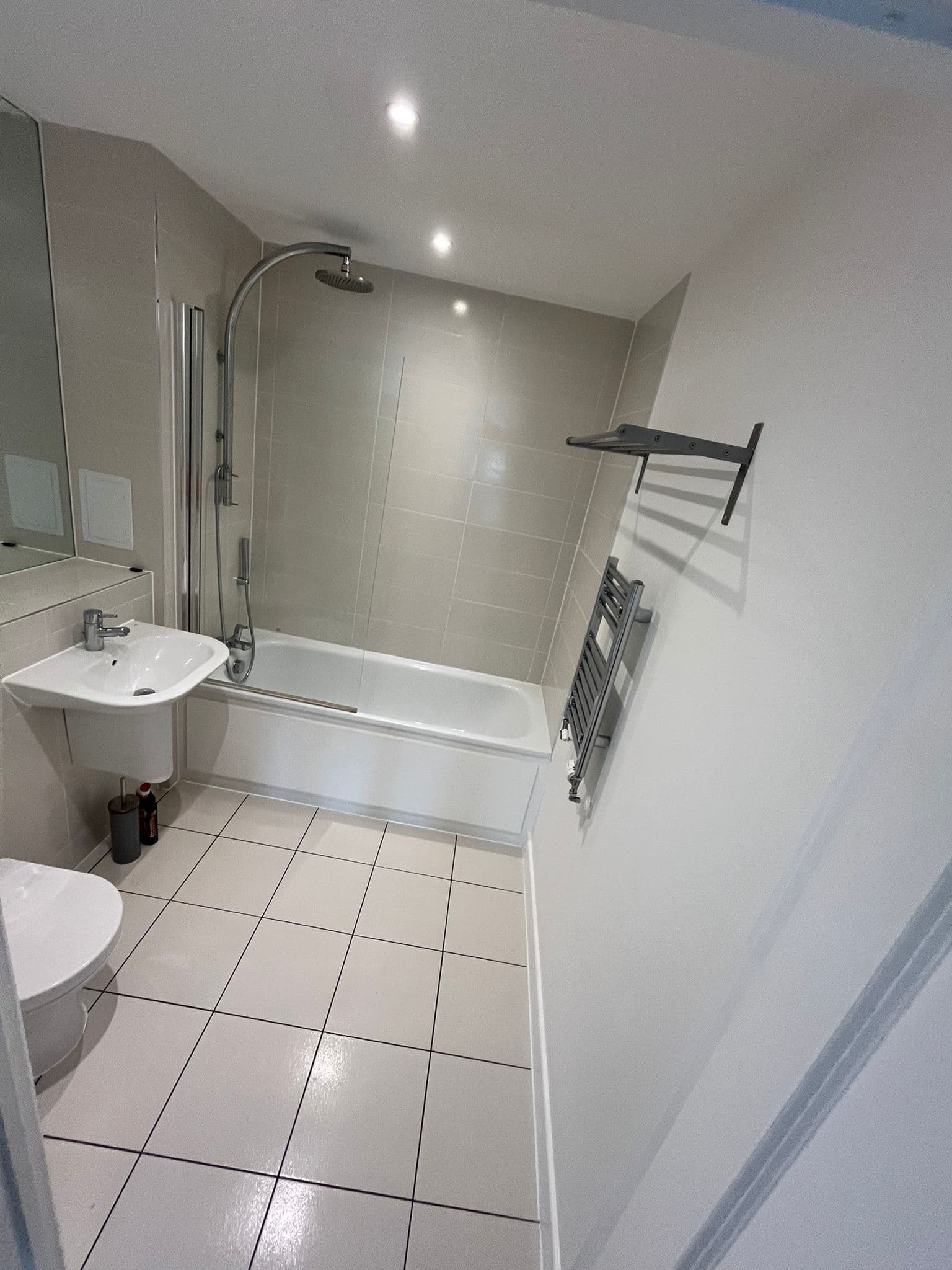
Most tenants get most of their deposit back — but a large minority lose money they didn't need to, usually over cleaning, marks and missed details. The good news is that the system is fairer than people think, so making sure you get your full deposit back is mostly about understanding how it works and keeping a little evidence. Here's how to give yourself the best possible chance of getting your security deposit back in full.
Know which scheme holds your money
If you rent on an assured shorthold tenancy in England or Wales, your landlord must protect your deposit in a government-approved scheme within 30 days: the Deposit Protection Service (DPS), MyDeposits, or the Tenancy Deposit Scheme (TDS). You should have received the scheme details ('prescribed information') at the start. If you didn't, your landlord can be penalised — and that's a strong card if it ever comes to a dispute.
The deposit isn't theirs to keep
Your landlord can only deduct for genuine breaches — damage beyond fair wear and tear, unpaid rent, or cleaning to return the property to its check-in condition. They cannot deduct to upgrade the property or to cover normal ageing.
Understand fair wear and tear
This is the concept most disputes turn on. 'Fair wear and tear' is the gradual deterioration you'd expect from normal living over the length of your tenancy. A landlord can't charge you to make something better than it was at check-in, only to put right damage or dirt you caused.
- Wear and tear (not chargeable): lightly worn carpet in a hallway after three years, faded paint, a few small scuffs
- Damage (chargeable): a wine stain on the carpet, a cracked basin, holes from unapproved shelves
- Cleaning (chargeable): a property left dirtier than it was recorded at check-in
The check-in and check-out inventory
The inventory is the heart of everything. The check-in report describes the property's condition and cleanliness on day one; the check-out report compares against it. You're judged against that starting point — not against a brand-new flat. Dig out your check-in inventory before you move out and use it as your target.
The deductions landlords propose most often
Deposit scheme adjudication reports tell the same story every year: cleaning tops the list of proposed deductions, ahead of damage, redecoration and rent arrears. That's actually good news, because cleaning is the one deduction entirely within your control in the final week of a tenancy.
- Cleaning — ovens, bathrooms, limescale, carpets and inside appliances; the most common deduction and the easiest to prevent
- Damage — stains, burns, cracked fittings and unapproved holes in walls
- Redecoration — only chargeable where marks go beyond fair wear and tear for the length of your tenancy
- Missing items — anything listed on the check-in inventory that isn't there at check-out
- Gardens and bins — overgrown gardens and rubbish left behind are charged as clearance
If a cleaning deduction is proposed, it also has to be a reasonable amount — our guide to how much a landlord can charge for cleaning breaks down what adjudicators accept as fair.
Five steps that protect your deposit
- 1Re-read your tenancy agreement for any specific cleaning or carpet clauses
- 2Clean the property back to its check-in standard (or have it cleaned professionally)
- 3Take dated, well-lit photos of every room on the day you leave
- 4Keep your cleaning invoice — an itemised, dated receipt is powerful evidence
- 5Return all keys and confirm the check-out date in writing
Cleaning is the deduction you have the most control over, which is why a professional clean pays for itself so often. Our room-by-room checklist covers exactly what clerks look for.
Protect your deposit with a guaranteed clean
Build your price by room and extras — no hidden charges, with our 72-hour re-clean guarantee included.
Get my instant quoteHow long does it take to get your deposit back?
Once your tenancy ends and you've agreed any deductions with your landlord, the deposit scheme should release your money quickly — usually within around 10 days of you both agreeing the amount. If there are no deductions at all, that's normally the fastest route to getting your full deposit back. If you can't agree, the disputed portion is held by the scheme until its adjudicator decides, while any undisputed amount can still be returned to you in the meantime.
If your landlord makes a deduction you disagree with
You don't have to accept it. Every approved scheme offers a free, independent dispute resolution service. You submit your evidence — photos, your check-in inventory, your cleaning invoice — and an adjudicator decides. The disputed amount is frozen until then, so the landlord can't simply take it.
Adjudicators side with tenants far more often than landlords expect, precisely because landlords frequently can't prove the property was cleaner at check-in than at check-out. Good evidence wins these cases — which is why the photos and the receipt matter so much.
The burden of proof is on the landlord. If they can't show the property was returned in a worse state than it was let, the deposit stays with the tenant.
This guide is general information for tenants in England and does not constitute legal advice. Rules can vary across the UK and change over time — check the current position where you rent. Need a hand? Get in touch with our team.